Why Cheshire Properties Are Prone to Subsidence
Understanding the geological and historical factors that make Cheshire one of the UK's subsidence hotspots.
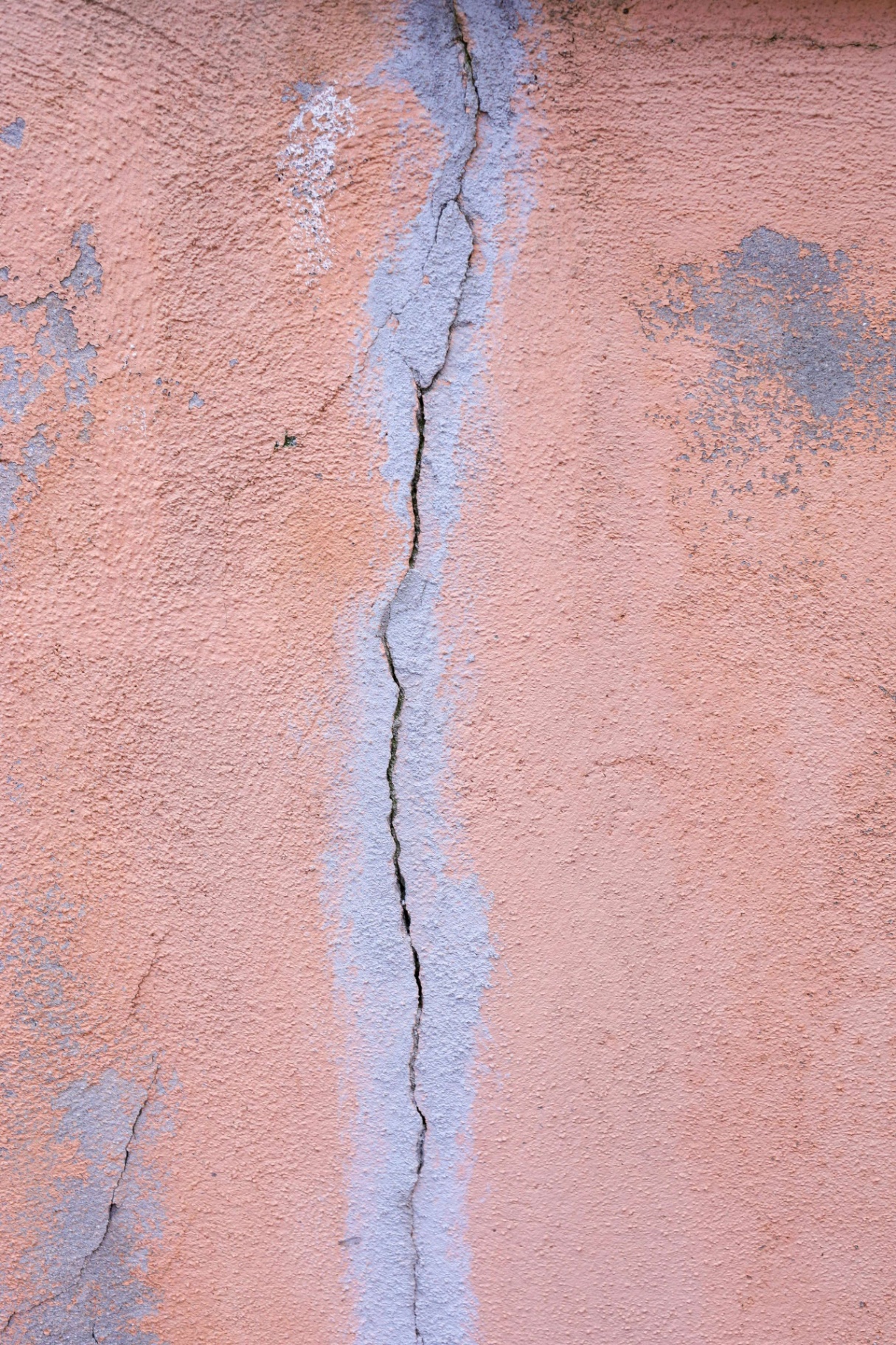
Cheshire has a higher incidence of subsidence than many parts of the UK. This isn't bad luck — it's geology. Understanding why your area is at risk helps you spot the signs early and take action before damage escalates.
In This Article
Cheshire's Unique Geology
The county sits on a complex mix of geological formations that create several distinct subsidence risks. No two areas are quite the same, which is why a one-size-fits-all approach to subsidence repair doesn't work here. Understanding your area's specific geology is the first step to protecting your property.
The Five Main Subsidence Risks in Cheshire
Each type of subsidence has different causes, different warning signs, and different repair solutions. Here's what you need to know about each:
| Risk Type | Main Areas Affected | Key Cause | Typical Signs |
|---|---|---|---|
| Salt dissolution | Northwich, Middlewich, Winsford | Underground salt deposits dissolving | Sudden sinkholes, dramatic cracking |
| Clay shrinkage | Countywide (especially south) | Clay soils drying out in summer | Seasonal cracking, worse in drought |
| Mining legacy | Macclesfield, Bollington, Poynton | Collapsed mine workings | Localised sudden settlement |
| Tree root damage | Countywide | Roots extracting moisture from clay | Cracks near large trees |
| Variable glacial deposits | Countywide | Mixed soil types from Ice Age | Differential settlement |
Salt Dissolution — Mid-Cheshire's Unique Risk
Northwich, Middlewich, and Winsford sit above extensive salt deposits in the Northwich Halite Formation. Centuries of natural and industrial brine extraction have left underground voids that can cause sudden and dramatic subsidence. This type of subsidence is almost unique to mid-Cheshire and requires specialist void detection and filling techniques.
Clay Shrinkage — The Most Common Cause
Much of Cheshire has clay-rich soils — glacial boulder clay and weathered Mercia Mudstone — that shrink significantly in dry weather and swell when wet. This seasonal shrink-swell cycle puts foundations under repeated stress. Climate change is making this worse: hotter, drier summers cause more dramatic shrinkage, and subsidence claims across the UK have risen year on year as a result. Mature trees compound the problem by extracting large volumes of water from the soil around their roots.
Mining Legacy — Eastern Cheshire
Around Macclesfield, Bollington, and Poynton, historic coal mining has left underground workings that can collapse without warning. This type of subsidence tends to be sudden and localised rather than gradual. Properties in these areas may also be affected by former mine shafts — some of which are poorly recorded and can be difficult to locate without specialist survey techniques.
How to Check Your Area's Risk
You can get a general idea of your subsidence risk from the British Geological Survey's GeoSure dataset, but nothing replaces a site-specific survey. Ground conditions can vary dramatically over short distances — especially in Cheshire where glacial deposits are patchy and unpredictable.
- Check the BGS GeoSure shrink-swell map for your postcode
- Look at nearby trees — oaks, willows, and poplars are the worst offenders
- Ask neighbours if they've had subsidence issues
- Check your property's age — older foundations are often shallower
- Request a free survey from us for a definitive assessment
What to Do If You Suspect Subsidence
If you've noticed cracks appearing, doors sticking, or floors becoming uneven, don't panic — but don't ignore it either. The sooner subsidence is identified, the simpler and cheaper the repair. Contact us for a free, no-obligation survey and we'll give you a clear picture of what's happening and what your options are.
Related Reading
Need Help With Subsidence?
Get a free, no-obligation survey from our specialist team.
Get Free QuoteMore from our blog
What Happens During a Subsidence Survey?
A step-by-step guide to what you can expect when our engineers visit your property for a free subsidence survey.
How Resin Injection Works: The Modern Fix for Subsidence
Learn how geopolymer resin injection stabilises foundations without the mess and disruption of traditional underpinning.